Hash Oil: What Is It And How To Use It?
Hash oil is a concentrated cannabis extract that usually carries far more THC than its source flower, and people vape it, dab it, add it to flower, eat it or rub it on the skin. NIDA says concentrates can deliver large amounts of THC quickly, and in Florida qualified patients may buy hash oil only from a licensed treatment center.
Below we cover what hashish oil is, how it is extracted, its types and uses, its risks and its legal status, and where the evidence runs out. Rick Simpson oil is one kind of cannabis oil, so see our post on Rick Simpson oil, its claims and risks.
What is Hash Oil?
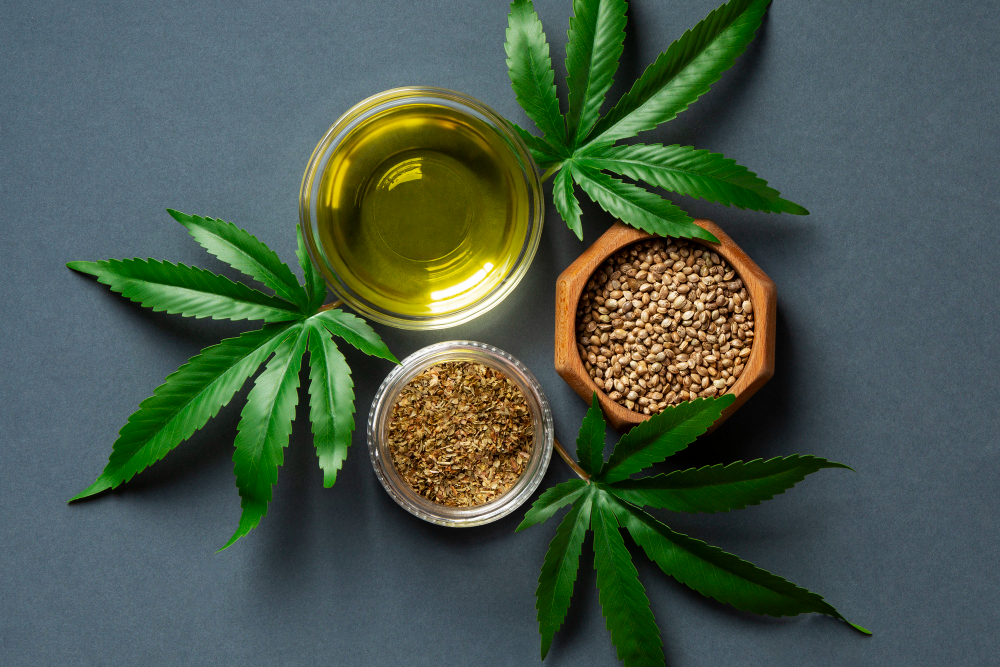
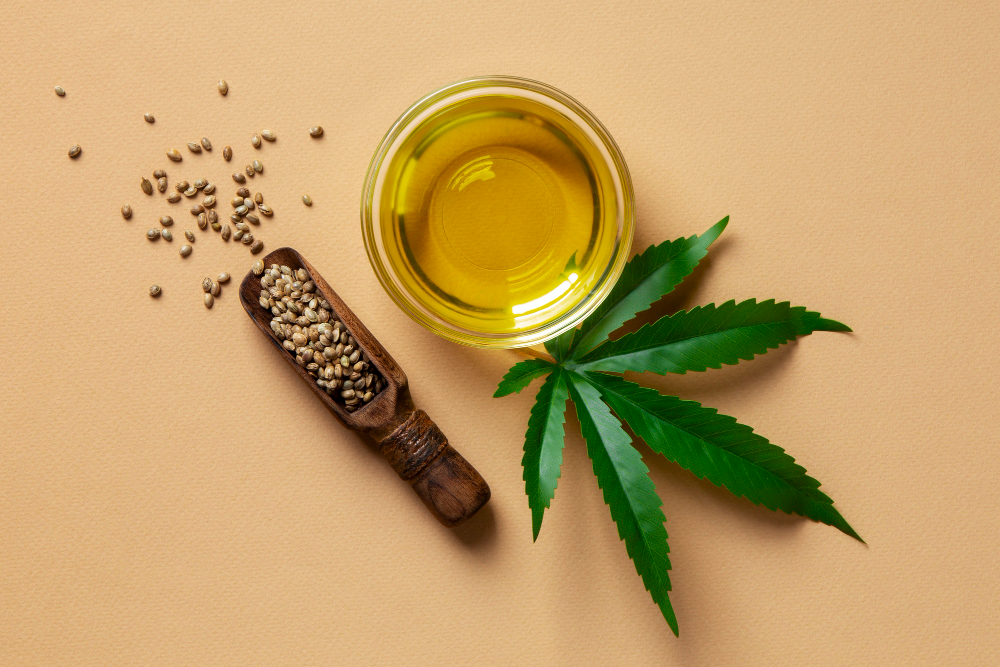
Hash oil, also called cannabis oil, is a concentrated extract of cannabis, so it holds far more of the plant’s active compounds than the flower it came from; those compounds are known as cannabinoids.
The two cannabinoids most people have heard of are THC, which produces the high, and CBD, which does not. FDA has approved a few cannabinoid medicines for specific uses, such as Epidiolex for certain seizures, but not hash oil or other concentrates.
Extraction Process
The concentrated active compounds are extracted from the marijuana plant along with terpenes through some specialized techniques, such as solvent extraction, CO2 extraction, or mechanical separation methods such as cold-water extraction.
Composition of Hash Oil
Hash oil is a liquid form of cannabis made up of cannabinoids, terpenes, and other elements from the plant. How much of each compound an extract holds depends on the extraction method and the cannabis it was made from.
Types of Hash Oil
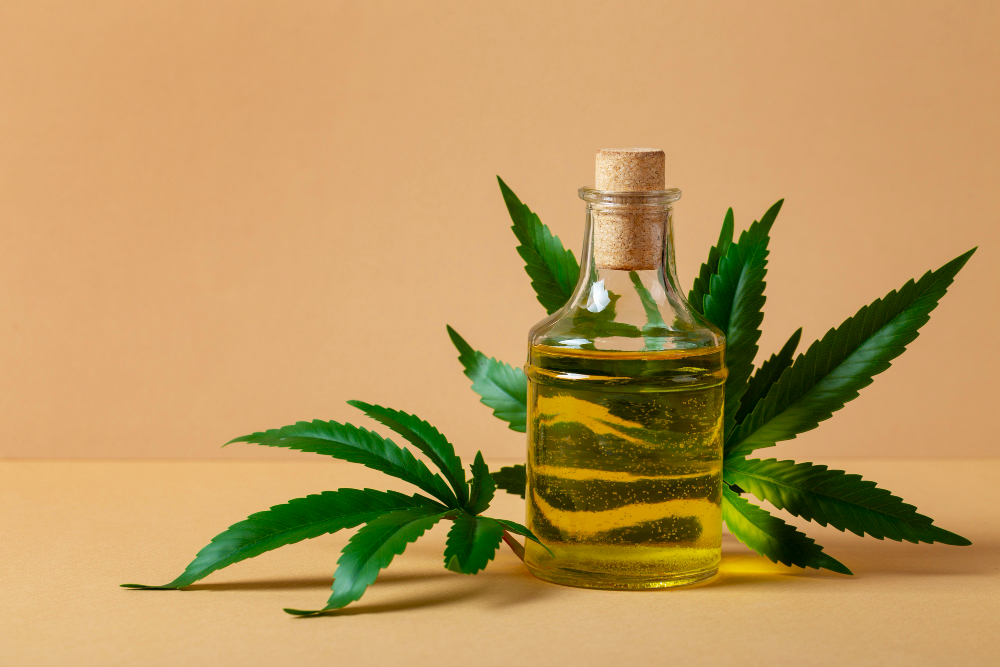
Hash oil types differ mainly in how far the extract is refined and what is kept in it.
Distillate
Distillate is a highly refined form of hash oil. It is made by extracting and then purifying cannabinoids, which leaves a product with very high THC content. Gold and clear distillates are names for its common appearance.
-
High Potency and Heavy Refining
Distillate is favored by some experienced users for its strong psychoactive effects. Refining removes most plant waxes and chlorophyll, but solvents and other contaminants can remain, which is why Florida requires a certified lab to test every batch before it is sold. Its high THC content means a small amount has a large effect.
-
Full-spectrum Oil
Full-spectrum oil keeps a wider range of the plant’s compounds, such as cannabinoids and terpenes. Many of the plant’s other compounds stay in that profile, and butane hash oil (BHO) can be made this way.
-
Broad-spectrum Oil
Broad-spectrum oil starts out much like full-spectrum oil. The difference is in the refining: the THC is removed, while the other cannabinoids and terpenes remain. Broad-spectrum oil is aimed at people who want other cannabinoids and terpenes without tetrahydrocannabinol’s psychoactive effect, though FDA has found that product labels are not always accurate.
Strain Names and What They Mean
Hash oil is often sold under strain names such as the three below, but a 2022 study of products in six states found that strain labels do not consistently match what is in the product:
- OG Kush
- Sour Diesel
- Blue Dream
Check the THC and CBD content on the label rather than the name.
Strain-specific Hash Oils
Some hash oils are sold as strain-specific, made from a single named variety of the plant, though the name alone does not tell you its cannabinoid content or the strains of cannabis it really came from.
How Do People Use Hash Oil?
Hash oil offers different options for consumption, such as inhalation, ingestion, and topical application, each resulting in varied timeframes for onset and duration of effects.
Inhalation Methods
- Vaporization refers to the process of gently heating the hash oil to a point where cannabinoids and terpenes are transformed into vapor, without subjecting the material to combustion.
- Dabbing refers to the process of vaporizing hash oil on a heated surface and then inhaling the resultant vapor through a dab rig.
- Smoking refers to the act of combining hash oil with dried cannabis flower and consuming it through a joint, blunt, or pipe.
Edible Consumption
Hash oil is also used to make edibles. In Florida, treatment center edibles may not look like candy, and NIDA notes that edibles take longer to act, which can lead people to take too much.
Topical Applications
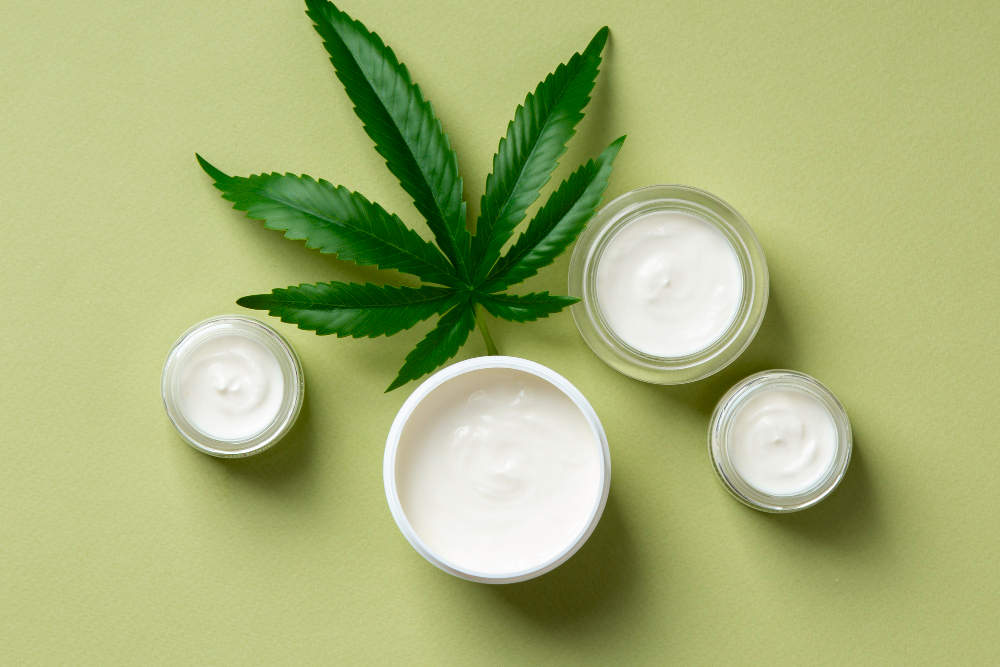
Hash oil also goes into topicals rubbed on the skin, but studies of cannabis topicals for discomfort, swelling or skin problems are few.
Claimed Benefits of Hash Oil
The cannabinoids in hash oil are the ones studied for pain, nausea and appetite: NIH notes some evidence of modest benefit for chronic pain and FDA-approved cannabinoid drugs for chemotherapy nausea, but neither finding is about hash oil itself.
Concentrates such as hash oil are part of some state medical programs, including Florida’s. If you are weighing hash oil for a health problem, a qualified marijuana doctor is the person to ask. In Florida, the certifying physician decides whether a concentrate belongs in your certification and enters the dose and forms in the state registry.
What Are the Side Effects of Hash Oil?
Because hash oil is so concentrated, NIDA says it can deliver large amounts of THC quickly, which raises the risk of side effects. These include impaired thinking and body movement, a faster heart rate, anxiety and distrust, along with respiratory problems.
How Much to Use and How to Store It
Amounts are a medical decision: in Florida the certifying physician sets the dose and forms in the state registry, and the treatment center can dispense only what that order allows.
Sellers usually advise storing hash oil in a cool, dark place, away from direct sunlight and high temperatures. Do not try to make it at home: butane extraction has caused serious burns, and in Florida only licensed treatment centers may process marijuana.
What Are the Risks of Hash Oil?
Hash oil carries the risks of high-THC cannabis: CDC estimates about 3 in 10 people who use cannabis have cannabis use disorder and links highly concentrated THC products to more severe symptoms. Effects on memory, attention and mental health are a particular concern for young people.
Is Hash Oil Legal?
Hash oil is lawful only where state law allows it. Under federal law, marijuana extract moved to Schedule III on April 28, 2026 only when it is in an FDA-approved product or covered by a state medical marijuana license, and all other marijuana stays in Schedule I, so it is a federally controlled substance either way. In Florida, qualified patients may buy concentrates only from a licensed treatment center.
Manufacturing Methods
Licensed producers in Florida must have every batch tested by a certified lab before it is sold, and the label must state the THC and CBD content. That is why it helps to know who made the hash oil you are buying.
What Should You Remember About Hash Oil?
Hash oil is a potent cannabis extract that can be inhaled, eaten or applied to the skin. Its medical value has not been established in clinical trials, its high THC content raises the risk of side effects, and its legal status depends on where you live. If you are a Florida patient, ask your physician whether a concentrate fits your certification.
Last updated October 16, 2026 by the Dr. Green Relief Editorial Team.
Medical review
Medically reviewed by Achilles Kalnoky, M.D.
Reviewed on .
He is licensed in Florida as a medical doctor, license ME115088, which you can check on the Florida Department of Health license lookup.
His review covers the medical statements in this post and the sources cited for them.
Sources
- NIDA. Cannabis (Marijuana)
- FDA. FDA and Cannabis: Research and Drug Approval Process
- FDA. What You Need to Know (And What We’re Working to Find Out) About Products Containing Cannabis or Cannabis-derived Compounds, Including CBD
- The 2026 Florida Statutes, s. 381.986, Medical use of marijuana (Florida Senate)
- Florida Office of Medical Marijuana Use. Weekly update, October 2, 2026 (PDF)
- Smith CJ et al. The phytochemical diversity of commercial Cannabis in the United States. PLoS One. 2022 (PubMed)
- Hashim PW et al. Topical cannabinoids in dermatology. Cutis. 2017 (PubMed)
- Bell C et al. Butane Hash Oil Burns Associated with Marijuana Liberalization in Colorado. J Med Toxicol. 2015 (PubMed)
- CDC. Cannabis Health Effects (February 16, 2024)
- NCCIH. Cannabis (Marijuana) and Cannabinoids: What You Need To Know
- Federal Register, 91 FR 22714, April 28, 2026: Schedules of Controlled Substances, rescheduling of FDA-approved products and state-licensed medical marijuana (govinfo.gov PDF)